Best Plug-in Solar Accessories UK 2026
Essential and nice-to-have accessories for your plug-in solar system. MC4 cables, monitors, mounts, cleaning kits, and more — all UK-tested.
Your plug-in solar kit comes with panels, an inverter, and basic mounting hardware. But a handful of well-chosen accessories can make your installation tidier, more durable, and more profitable. This guide covers everything worth buying — and a few things you can skip.
We have split accessories into three categories: essential (you need these), recommended (strong value add), and nice-to-have (useful but not critical).
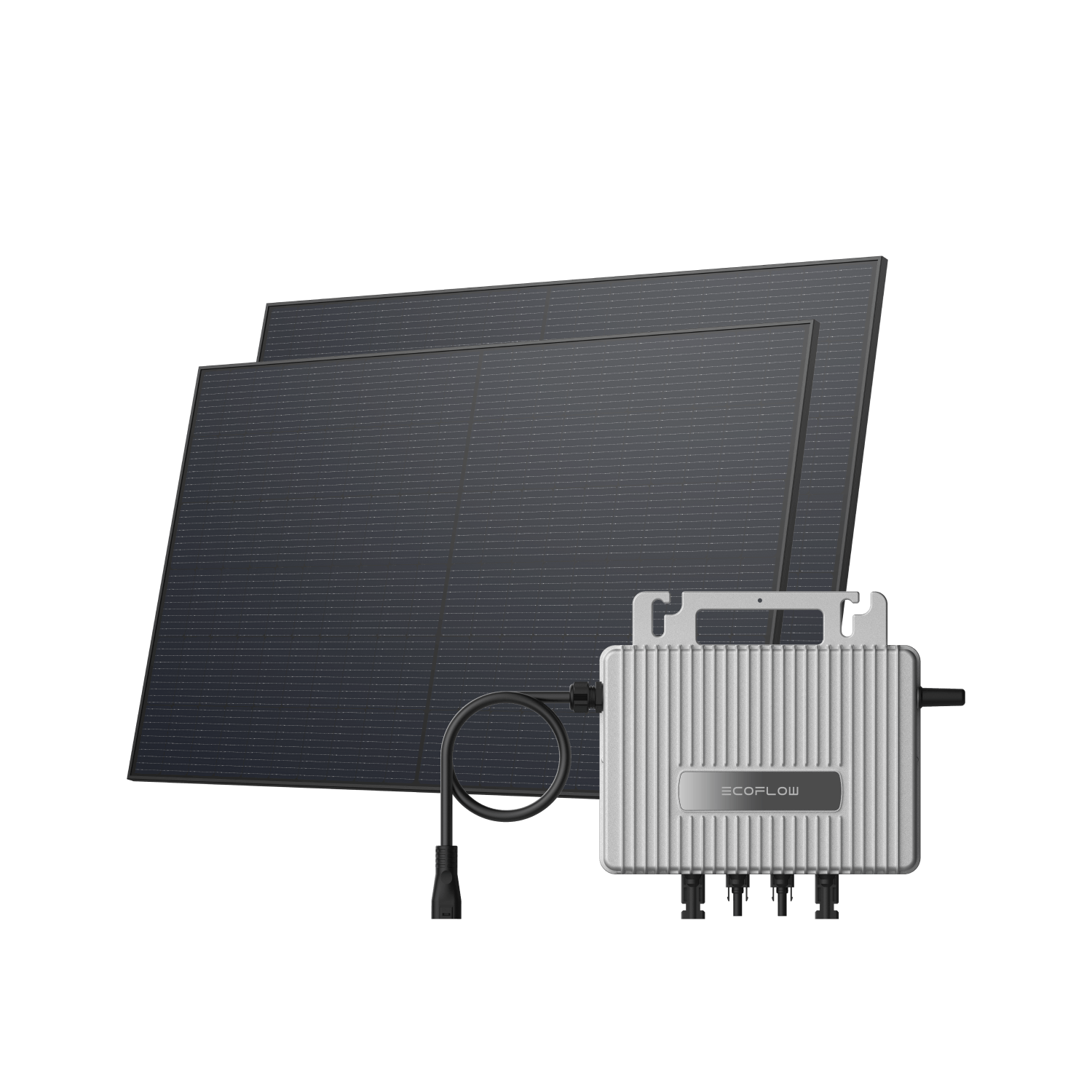
- 800W dual-panel balcony or garden kit
- App with live monitoring & smart scheduling
- Balcony, garden & flat-roof mount options
- Government-backed for UK plug-in solar
Essential Accessories
These are the accessories every plug-in solar installation needs. Skipping them risks damage to your system, messier installations, or both.
MC4 Extension Cables (£8-15)
Most plug-in solar kits include MC4 cables long enough to connect the panels to the micro-inverter. But the distance from the inverter to your connection point (wall socket or fused spur) often requires additional cable length.
What to buy:
- 2m MC4 extension pair: £8-10
- 5m MC4 extension pair: £12-15
- 10m MC4 extension pair: £15-20
What to look for:
- Genuine MC4 or MC4-compatible connectors (not cheap knock-offs that do not click securely)
- 4mm² or 6mm² cable cross-section (matches the cable from your panels)
- UV-resistant outer sheath
- IP67 or IP68 rating on the connectors
Our advice: Buy one pair longer than you think you need. Running a cable tight creates strain on the connectors. A little slack is always better. For a full guide on what to look for, see our MC4 cable guide.
Cable Clips and Ties (£5-10)
Loose cables are the hallmark of a bad installation. They catch the wind, abrade against surfaces, and look terrible. A few pounds on cable management makes a dramatic difference.
What to buy:
- UV-resistant cable ties: £5-8 for a pack of 100 (get 4.8mm width or wider for solar cables)
- Adhesive cable clips: £5-8 for a pack of 20-30
- Stainless steel cable clips (for permanent outdoor mounting): £8-12 for a pack of 20
Key requirement: Everything must be UV-resistant. Standard nylon cable ties become brittle and snap within 6-12 months of outdoor exposure. Look for ties specifically labelled "UV-stabilised" or "outdoor rated." Black ties are typically better than white for UV resistance.
Our advice: Use cable ties for initial positioning, then replace with adhesive or screw-fixed clips for a permanent, tidy installation. Route cables along frame edges and behind panels where possible.
IP68 Cable Glands (£8-12)
If any cable passes through a wall, fascia, or junction box, you need cable glands to maintain a weatherproof seal. IP68-rated glands keep water out even in driving rain.
What to buy:
- IP68 cable glands (M20 or M25, depending on cable diameter): £8-12 for a pack of 5-10
- Matching locknuts: usually included
When you need them:
- Routing cable through an exterior wall into the house
- Passing cable into a weatherproof junction box
- Any penetration through a surface exposed to rain
Our advice: Apply a bead of outdoor sealant around the gland for extra protection. Belt and braces, but water ingress into electrical connections is something you want to be absolutely sure about.
Self-Amalgamating Tape (£5-8)
This is the single most useful weatherproofing product for solar installations. Self-amalgamating tape is a rubber tape that fuses to itself when stretched and wrapped, creating a waterproof, UV-resistant seal around any connection.
What to buy:
- 19mm x 10m roll: £5-8
- Any reputable brand (3M, Denso, or generic)
Where to use it:
- Around MC4 connector joints (even though they are rated IP67, a wrap of tape adds insurance)
- Around any exposed cable joins
- Over the entry point where cables meet the inverter
Wrap it around the connection with 50% overlap, stretching the tape as you go. It bonds to itself within minutes and creates a permanent, waterproof seal that peels off cleanly if you ever need to disconnect.
Recommended Accessories
Not strictly essential, but the value they add makes them easy to justify.
Energy Monitor: Shelly Plus Plug (£18) or Emporia Vue 3 (£35)
Your solar kit's app shows what the panels generate. An energy monitor shows what you actually consume versus what you export. This is the data you need to optimise load-shifting and maximise savings.
Shelly Plus Plug (~£18):
- Plugs into the wall socket between your solar system and the mains
- Shows real-time power flow (generation vs consumption)
- Measures cumulative energy over time
- WiFi connected with app and web dashboard
- Smart scheduling — can trigger appliances based on generation level
- Tiny, unobtrusive design
The Shelly is excellent value. At £18, it pays for itself within months by helping you shift loads more effectively. See our full Shelly Plus Plug review.
Emporia Vue 3 (~£35):
- Clamp-on CT sensors that attach to your consumer unit
- Monitors your entire home's electricity flow, not just the solar circuit
- Shows import, export, solar generation, and individual circuit consumption
- Identifies which appliances use the most electricity
- Historical data and trends
The Emporia is better if you want a whole-home energy picture. It shows exactly where your electricity goes, making it easier to find waste and shift loads. See our Emporia Vue 3 review.
Our advice: If budget is tight, get the Shelly. If you want comprehensive monitoring, get the Emporia. Either way, get one of them.
Tilt Mount or Adjustable Bracket (£40-80)
If your panels will be mounted flat — on a flat roof, horizontal ground, or a level balcony floor — a tilt bracket is not optional, it is essential. Flat panels in the UK generate 15-25% less than panels angled at 30-35 degrees.
What to buy:
- Fixed tilt bracket (30-35°): £40-50 per panel
- Adjustable tilt bracket (15-60°): £60-80 per panel
Fixed vs adjustable:
- Fixed is cheaper, simpler, and fine for permanent installations. Set it to 35° and forget it.
- Adjustable lets you optimise by season (steeper in winter, shallower in summer). In practice, the 5-10% seasonal gain rarely justifies the extra cost and hassle.
What to look for:
- Aluminium construction (rust-proof, lightweight)
- Compatible with your panel's mounting holes (most use a standard 35mm rail)
- Wind-rated for your location (check the bracket's maximum wind speed rating)
- Ballast trays or ground stakes if the bracket is not screwed down
For a full comparison of tilt brackets, see our tilt bracket guide.
Weatherproof Outdoor Socket (£20-35)
If you are going the plug-and-play route and do not have a conveniently located outdoor socket, you will need one. Even if you have one, check its IP rating — it needs to be IP66 or better for year-round outdoor use with a solar system.
What to buy:
- IP66 weatherproof switched socket: £20-30
- IP66 weatherproof socket with RCD (residual current device): £30-35
The RCD question: An RCD socket adds earth leakage protection specifically for the solar circuit. Your consumer unit almost certainly has RCD protection already, but a dedicated RCD at the socket provides an extra layer of safety. Worth the extra £10.
Installation note: Installing a new outdoor socket typically requires a qualified electrician (£50-100 labour on top of the socket cost). Once plug-and-play is legal, you might choose to run the cable to an existing indoor socket instead — though outdoor is cleaner.
For detailed recommendations, see our outdoor socket guide.
Panel Cleaning Kit (£15-25)
Solar panels need cleaning once or twice a year. Rain handles the worst of it, but bird droppings, tree pollen, lichen, and general grime accumulate and can reduce output by 5-15%.
What to buy:
- Telescopic wash brush with soft head: £12-18 (choose one long enough to reach your panels safely from the ground)
- Biodegradable solar panel cleaner: £5-8 per bottle (optional — plain water with a soft brush works for most cleaning)
- Microfibre drying cloth: £3-5
When to clean:
- After winter (remove accumulated dirt and moss)
- Mid-summer if bird droppings are an issue
- Whenever you notice a drop in output that is not explained by weather
What NOT to use:
- Pressure washers (can damage panel coating and seals)
- Abrasive cloths or scouring pads (scratch the glass)
- Household glass cleaner (can leave residue that reduces light transmission)
Nice-to-Have Accessories
These are genuinely useful but not strictly necessary. Buy them if budget allows.
Surge Protector / SPD (£15-25)
A surge protection device (SPD) protects your inverter from voltage spikes caused by lightning or grid disturbances. Most modern micro-inverters have built-in surge protection, but an external SPD at the connection point adds another layer.
When it is worth it: If you live in an area prone to thunderstorms, or if your home's electrical installation does not include consumer unit-level surge protection.
Spare 5A Fuses (£2-3)
The plug on your solar system should have a 5A fuse (not the standard 13A). Keep a couple of spares in a drawer. If the fuse blows, you want to be back up and running in minutes, not waiting for a trip to the hardware shop.
Carry Bag or Storage Cover (£20-35)
If you are a renter or plan to take your panels down seasonally (some balcony installations), a padded carry bag protects the panels during storage or transport. Not necessary for permanent installations.
What You Do NOT Need
A few accessories that sound useful but are not worth the money:
- Panel-level power optimisers: Your micro-inverter handles this. Optimisers add cost and complexity for marginal gain on a two-panel system.
- Separate DC disconnect switch: Built into the micro-inverter on all modern systems.
- Battery backup (for now): The interim product specification excludes batteries from plug-and-play systems. Wait for the BSI standard.
- Fancy monitoring displays: The app on your phone does this better than any standalone display.
Total Accessories Budget
| Category | Cost Range |
|---|---|
| Essential (cables, clips, glands, tape) | £25-45 |
| Recommended (monitor, tilt mount, socket) | £60-150 |
| Nice-to-have (SPD, spares, cleaning kit) | £20-60 |
| Realistic total | £50-150 |
Most people will spend £50-80 on accessories beyond the kit. Budget £100-150 if you need a tilt bracket and outdoor socket.
For a complete checklist of everything you need before installation day, see our buying checklist. And for the full cost picture including the kit and electrician, see our complete cost breakdown.
Related reading
See how much plug-in solar could save you — with real data for your postcode.