Cheapest Plug-in Solar Kits UK: Budget Options Compared
The honest budget guide to plug-in solar. What you sacrifice at the cheap end, and the minimum acceptable quality bar.
You don't need to spend £900 to get plug-in solar working in your UK home. Budget kits—in the £350–£500 range—will exist, particularly from Lidl, supermarket own-brands, and generic online sellers.
The question is: what do you sacrifice when you buy cheap? And more importantly, what's the minimum acceptable quality bar?
What Budget Kits Will Cost
By summer 2026, you'll see plug-in solar available at:
Lidl (government partner): Likely £400–£600, exact specs TBC.
Supermarket own-brands (Tesco, ASDA, Sainsbury's): Possibly £350–£500 if they enter the market.
Amazon/eBay sellers: £300–£600, highly variable quality.
Specialist online retailers: £400–£700, quality more consistent.
Budget kits exist. The real question is: are they worth buying?
What You Sacrifice at the Budget End
Micro-inverter Reliability
Budget systems often use newer or less-proven micro-inverter brands. Common budget choices are Hoymiles (solid, but newer to the market) or generic brands with minimal track record.
High-end inverters (Enphase, SMA, or EcoFlow's units) come from manufacturers with 10+ years' proven track record and clear support paths. Budget inverters are gambles—they might work perfectly for 20 years, or they might fail in year 3.
What this costs you: If a budget inverter dies in year 2 and the warranty is "contact the manufacturer in China," you're stuck. The replacement cost (£200–£400) makes your early savings disappear.
Panel Quality and Warranty
Budget kits may use panels from manufacturers with less transparent spec sheets. They might have lower efficiency (18–20 per cent instead of 21–22 per cent) or thinner glass.
They'll still work. A 15 per cent efficient 400W panel generates almost as much as a 22 per cent efficient 400W panel in identical conditions. But cheaper panels may:
- Degrade faster (losing more than the standard 0.5–0.7 per cent per year)
- Have less transparent warranty paths
- Use manufacturers that disappear from the market
A 25-year panel warranty is meaningless if the manufacturer goes out of business in year 5.
App Quality
Budget systems might have apps that:
- Crash or update unreliably
- Show inaccurate generation data
- Lack useful features (export tracking, savings estimates)
- Go offline when the company updates its infrastructure
You'll still see some data, but the experience might be frustrating.
Installation and Support
Budget kits bought on Amazon come with minimal support. If something goes wrong:
- There's no UK customer service number
- Warranty claims go through an automated email system
- Return processes are slow
Mid-range and premium kits come with clearer support and faster warranty claims.
Cable and Connector Quality
Budget kits sometimes use lower-grade cabling or connectors that degrade faster in UK weather or are harder to install safely.
This matters more than it sounds. Poor connectors can corrode, causing resistance and fire risk.
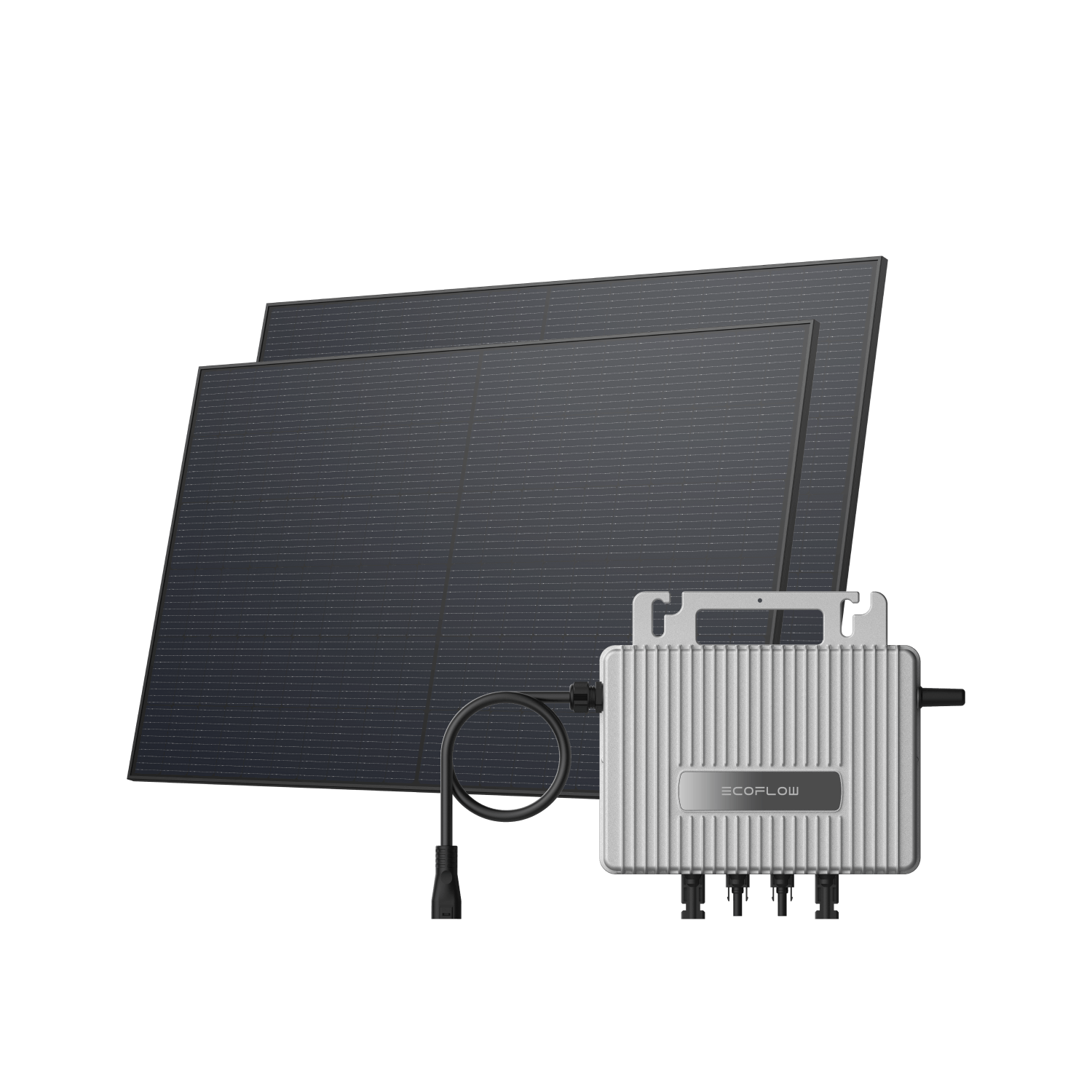
- 800W dual-panel balcony or garden kit
- 600Wh plug-in battery included
- App with live monitoring & smart scheduling
- Balcony, garden & flat-roof mount options
The False Economy Problem
Here's the key insight: a £350 kit that fails in year 3 is objectively worse value than a £700 kit that runs for 20 years.
Let's do the maths:
Budget kit (£350, fails year 3):
- Cost: £350
- Generation before failure: 3 × 400 kWh = 1,200 kWh = £324 in savings
- Net cost: £26
- Post-failure: £1,200–£2,000 to replace (if you can get the old one fixed under warranty)
Mid-range kit (£700, runs 20 years):
- Cost: £700
- Generation over 20 years: 20 × 450 kWh = 9,000 kWh = £2,430 in savings
- Net return: £1,730
- Confidence: high that it'll still be working in 10 years
The budget kit appears cheaper. But if it fails, you've lost money AND you're without solar for the rest of those 20 years.
The Minimum Acceptable Quality Bar
If you're buying a budget kit, here's the absolute floor:
Certification: UKCA or CE marked with explicit BS 7671 Amendment 4 compliance. Non-negotiable.
Micro-inverter brand: Must be Hoymiles, APsystems, or Enphase. These are proven in the European market. Don't buy anything else unless it has 5+ years' published track record you can verify independently.
Panel brand: Jinko, Canadian Solar, Q Cells, or Trina. Known manufacturers with transparent spec sheets and warranty paths.
Warranty: At least 5 years on the inverter, 25 years on panels. Check that the warranty is offered by a company you can actually contact (not just a PDF from a seller).
UK support: Can you contact someone in the UK if it breaks? This is worth paying extra for.
Cable quality: Armoured, outdoor-rated cabling. Not cheap thin wire.
If a budget kit meets all these criteria, it's probably safe to buy. If it ticks none of these boxes—no brand names you recognise, no clear warranty, no UK support—avoid it.
Where Budget Kits Will Come From
Lidl
Lidl has a strong track record selling own-brand solar kits in Germany and Austria. If they follow that pattern, expect:
- Budget pricing (likely £400–£600)
- Own-brand rebranding of a known manufacturer's kit
- Basic but functional app
- Adequate warranty (likely 5–10 years on inverter)
- In-store availability (no waiting for delivery)
When Lidl's spec drops, we'll review it properly. For now, they're a credible budget option.
Supermarket Own-Brands
Tesco, ASDA, and Sainsbury's might enter the market. Their track record with own-brand electricals is mixed—some are genuinely good, some are cheaply made. Wait for real reviews before buying.
Amazon and eBay Sellers
A huge range of quality, from solid to dangerously cheap. Look for:
- Sellers with thousands of reviews and high ratings
- Kits with recognisable micro-inverter brands
- Kits with published UK support contact details
Avoid:
- Sellers with 10 reviews and vague product descriptions
- "Generic 600W plug-in solar" with no brand names
- Sellers based only in China with no UK support listed
Specialist Online Retailers
Companies like PV Wholesale or Solar Energy UK sell budget and mid-range kits with UK support. They're more expensive than Amazon bargains, but you get actual customer service and realistic warranty paths.
The Real Question
Should you buy a budget kit?
Yes, if:
- You meet all the minimum quality criteria above
- You're buying from a trusted seller (Lidl, specialist retailer, Amazon seller with proven track record)
- You've checked the micro-inverter brand is one of the proven names
- You understand the risk—budget kits can fail earlier
- You're buying because it's genuinely all you can afford, not because you're being miserly
No, if:
- It's suspiciously cheap (under £300) with no recognised brands
- The seller can't point you to UK customer service
- The warranty is vague or comes from a company you can't contact
- You're buying only to save £150–£200 when a mid-range kit is in reach
The harsh truth: you'll use this system for 15–20 years. Saving £200 upfront to risk £1,500+ in replacement costs and lost generation isn't smart.
The Practical Middle Ground
If you want to buy affordable but sensible, wait for Lidl's kit in summer 2026. They're a known retailer with accountability. Their kit will probably cost £400–£600 and will likely be solid.
If you want to experiment without risk, consider hiring rather than buying. Some solar companies now offer rental models where you pay per unit of generation. Less control, but zero upfront risk.
The Bottom Line
Budget plug-in solar exists, and some of it is genuinely good value. But cheap isn't the same as good. Buy the best you can afford, not the cheapest you can find.
Whichever kit you buy, a smart plug between the inverter and wall socket gives you independent generation data — so you can verify you're getting what the manufacturer claims. The TP-Link Tapo P110 (around £12) or the Shelly Plus Plug UK (around £15) both work well.
A £600 kit that runs reliably for 20 years beats a £350 kit that fails in 3. Do the maths before you buy.
For a complete guide to available options, see our buying guide.
Related reading
See how much plug-in solar could save you — with real data for your postcode.